Smartphones have made everyday life easier, but they can also make it surprisingly difficult to stay focused. A quick notification can turn into several minutes of scrolling, and checking one app can easily lead to another. Brick takes a different approach to this familiar problem by moving part of the solution away from the phone itself.
Brick is a physical device designed to block distracting apps on your smartphone. Instead of relying only on another app or complicated settings, the brand combines a small hardware device with its companion software to help users create periods of intentional phone-free time.
The Idea Behind Brick
Brick is built around a simple concept: sometimes the easiest way to stop using your phone is to create a physical barrier between you and distracting apps.
The device works alongside an app for Android and iOS. According to the brand, users get lifetime access to the app without a subscription, making the product different from many digital productivity tools that rely on recurring payments.
The concept is especially relevant for people who already know which apps distract them but struggle to consistently limit their use.
A Small Device With a Specific Purpose
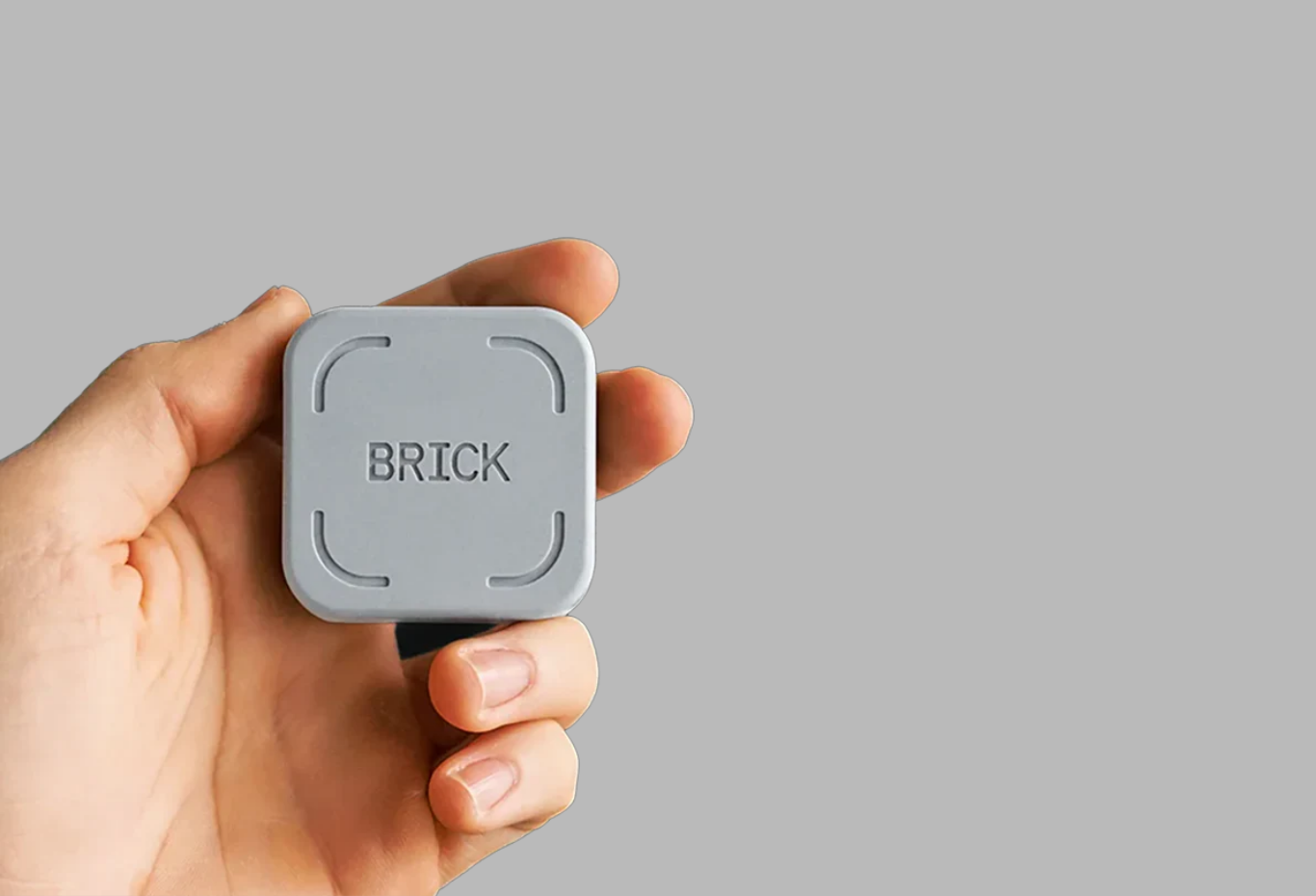
The Brick device is designed to be compact enough for everyday use while remaining physically noticeable.
The brand describes it as durable, magnetic, and slip-resistant, allowing it to stay in place in different environments. The physical nature of the product is important because it turns screen-time management into something more tangible.
Rather than opening another digital tool to remind yourself to stop scrolling, the device becomes part of the routine itself.
How the Brick Concept Works
The basic experience revolves around using the physical Brick device to control access to distracting applications.
A user can establish a period when selected apps are blocked, creating a boundary around phone use. When the user wants normal access again, the Brick system provides a way to reverse the restriction.
This approach can make the process feel more deliberate than simply dismissing a screen-time notification.
Why Physical Restrictions Can Feel Different
Most digital wellbeing tools exist on the same device that creates the distraction.
That can create an interesting problem: you are asked to use your phone to manage how much you use your phone.
Brick approaches the situation from another direction. By introducing a separate physical object into the process, the decision to access distracting apps becomes more intentional.
For some people, that physical separation may make it easier to maintain a boundary.
Android and iPhone Compatibility
Brick supports both major smartphone ecosystems.
The brand currently offers its companion app for Android and iOS, allowing users across the two platforms to use the system.
This makes the concept relevant for households and users who may switch between different smartphone platforms over time.
No Ongoing App Subscription
One of the more notable aspects of Brick's current offering is its subscription approach.
The brand states that every device includes free lifetime app access for both Android and iOS, with no subscription required.
For users who dislike adding another recurring digital service to their monthly expenses, this can be an appealing part of the product.
Designed for Everyday Environments
Brick is not intended to be used only at a desk.
Its magnetic and slip-resistant design is presented as suitable for everyday environments, meaning the device can become part of different routines around the home, office, or other spaces.
The physical design also gives it a visual presence that can serve as a reminder of the boundary the user has created.
A Tool for Better Focus
One of Brick's primary use cases is reducing digital distractions while working.
If social media, entertainment apps, or other notifications regularly interrupt concentration, creating a defined period of restricted access can make it easier to dedicate attention to one task.
The idea is not necessarily to eliminate smartphone use completely. Instead, it is about creating specific moments when certain digital distractions are intentionally unavailable.
Useful for Study Sessions
Students and people working through demanding learning tasks may also find the concept interesting.
Studying often requires sustained attention, while smartphones provide almost unlimited opportunities for interruption. Using Brick during a study session can create a more controlled environment by limiting access to selected distracting apps.
The effectiveness will naturally depend on how consistently the user follows the system.
Creating a Better Evening Routine
Brick also positions itself around nighttime phone use.
The brand specifically promotes the device as a way to block activities that can keep users engaged with their phones before bed.
For someone who routinely intends to check one thing before sleeping and then ends up scrolling for much longer, establishing a physical restriction could make the transition away from the phone more deliberate.
Family and Household Use
Another potential use is establishing phone-free periods within a household.
For example, users might create boundaries around meals, conversations, reading time, or shared activities. The physical device can become part of a household routine rather than functioning only as an individual productivity tool.
However, families may need to establish their own expectations around who controls access and when restrictions should be used.
Brick Is More About Habits Than Technology
The most interesting part of Brick isn't necessarily the hardware itself.
The bigger idea is behavioral. The device encourages users to create a clear separation between periods of phone availability and periods when distractions should be limited.
That makes Brick less about adding technology and more about changing how existing technology is used.
The Simplicity Is Part of the Appeal
There is something appealing about the straightforward nature of the concept.
You don't need another complicated dashboard to understand what the product is trying to accomplish. Its purpose is easy to explain: use the physical device and accompanying app to create boundaries around distracting phone applications.
For people who have already tried complicated productivity systems, that simplicity could be refreshing.
Brick's Design Philosophy
The brand describes the device as durable, magnetic, and slip-resistant, suggesting that the physical object is intended to remain part of everyday surroundings rather than being treated like a gadget that stays hidden in a drawer.
This is important because the product's physical presence is part of its overall concept.
A digital setting can be forgotten. A physical object sitting on a desk or bedside table is harder to ignore.
The Product Is Not About Removing Your Phone
Brick isn't necessarily designed to make smartphones unusable.
Instead, it focuses on selected distractions.
That distinction matters because most people still need their phones for calls, messages, navigation, work, payments, and other everyday tasks. The idea is to reduce access to the apps that create unnecessary distraction while retaining the practical functions of a smartphone.
What Makes Brick Stand Out?
A Physical Alternative to Digital Screen-Time Tools
Brick adds a hardware element to a problem that is usually addressed entirely through software.
Works With iOS and Android
The companion application supports both major smartphone platforms.
No Subscription Requirement
The brand says lifetime app access is included with the device, without ongoing subscription fees.
Compact Everyday Design
Its magnetic and slip-resistant construction is intended to make the device easy to keep around during daily routines.
Multiple Potential Use Cases
Brick can be used around work, studying, bedtime routines, and general efforts to reduce distracting phone habits.
Things to Consider Before Choosing Brick
Brick isn't a magic solution for excessive phone use.
A physical device can create a useful boundary, but long-term results still depend on the user's willingness to follow that boundary.
People who are comfortable overriding restrictions or frequently need unrestricted access to their phone may find the concept less useful.
It is also worth understanding exactly which applications can be restricted and how the system behaves before purchasing, especially if the user's needs involve specific work or communication apps.
Is Brick Worth Considering for Work?
For people who regularly lose concentration because of social media or entertainment apps, Brick presents an interesting approach.
The physical component can make the transition into a focused work session feel more intentional. Instead of relying on willpower every few minutes, users can establish a restriction before beginning a task.
This can be particularly useful for people who work from home and don't have a separate environment that naturally encourages concentration.
A Potential Fit for Students
Students can also use the idea to create dedicated study periods.
The benefit isn't that Brick somehow creates concentration automatically. Rather, it can remove some of the easiest sources of interruption, giving the user a quieter digital environment in which to work.
That makes the product more of a habit-support tool than a traditional electronics gadget.
Brick for People Who Want Fewer Notifications
Not every distraction comes from actively opening an app.
Notifications can repeatedly pull attention away from whatever someone is doing. Establishing periods when distracting applications are unavailable can help reduce those interruptions.
Users who already know which apps consume most of their attention may find this targeted approach more useful than trying to eliminate smartphone use altogether.
The Bigger Question: Can Hardware Change Habits?
This is ultimately what makes Brick interesting.
The product isn't offering another entertainment feature or another way to spend more time on a screen. Instead, it introduces a physical reminder to spend less time engaging with selected digital distractions.
Whether that works depends heavily on the person using it, but the concept is certainly different from the typical smartphone accessory.
Who Might Like Brick?
Brick may be worth considering for:
· People who frequently get distracted by social media
· Students who need uninterrupted study periods
· Remote workers trying to protect focused work time
· Anyone trying to reduce late-night scrolling
· People who prefer physical solutions over purely digital restrictions
· Users who don't want another monthly subscription
· Families looking to establish intentional phone-free periods
It may be less appealing to someone who already has strong control over their app usage or doesn't find smartphone distractions particularly disruptive.
Final Thoughts on Brick
Brick takes a surprisingly simple idea and gives it a physical form.
Instead of asking users to manage phone distractions entirely through the phone itself, the brand introduces a dedicated device that works with its iOS and Android app to help create boundaries around distracting applications. The company also emphasizes lifetime app access without a subscription, along with a compact magnetic and slip-resistant design.
The biggest appeal is the concept itself. Brick isn't trying to replace your smartphone or eliminate technology from everyday life. It is designed to help users decide when certain parts of that technology should be unavailable.
For students, remote workers, busy professionals, and anyone trying to create healthier boundaries around phone use, that can be an interesting approach.
Overall, Brick is best viewed as a physical habit-support tool for people who want more intentional control over smartphone distractions. Its success ultimately depends on the user's routine and commitment, but its combination of hardware and software offers a refreshing alternative to traditional screen-time management.